Method Decomposition Refactoring
Decompose long, tangled methods into clean, composable units using the 9 composing-method refactorings from Fowler's catalog. Use when: a method has grown too long to understand at a glance; code contains a comment that explains what a block does (the comment is a signal to extract); a method cannot be changed without understanding all of its internals; local variables are so numerous that Extract Method keeps failing; a method is doing several conceptually distinct things that are collapsed into one body. The flagship technique is Extract Method — applied when the semantic distance between the method name and its body is too large; name the fragment after what it does, not how it does it. Companion techniques handle the obstacles: Replace Temp with Query eliminates the local variables that block extraction; Split Temporary Variable separates a temp that has been reused for two different things; Introduce Explaining Variable names a sub-expression when extraction is blocked by too many locals; Remove Assignments to Parameters prevents a parameter from being reassigned and muddying the intent; Inline Method collapses a method whose body is as clear as its name; Inline Temp removes a temp that obstructs another refactoring; Replace Method with Method Object converts a hopelessly entangled method into its own class so that Extract Method can be applied freely; Substitute Algorithm replaces an obscure implementation with a cleaner one once the method is small enough. Trigger: Long Method smell from code-smell-diagnosis, or any method where a comment is needed to understand a code block.
 View on ClawhHub
Install
What You'll Need
Source Book
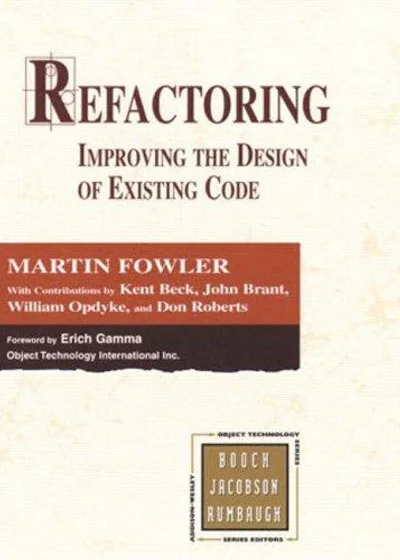
Refactoring: Improving the Design of Existing Code
Martin Fowler