Evidence Based Classroom Designer
Design or redesign any course, class, or training session using evidence-based instructional principles. Use this skill when a teacher, instructor, or instructional designer wants to improve student retention and achievement through classroom design, course design, quiz design, or active learning strategies — even if they don't mention "retrieval practice" or "spaced repetition." Triggers include: instructor wants to reduce failure rates in a gateway course; teacher finds students forget material within days of a lecture; instructor relies on midterm and final exams as the only assessment; teacher wants to move from passive lecturing to active learning without losing content coverage; instructor wants to close the achievement gap between well-prepared and under-prepared students; course designer wants to embed low-stakes quizzing into a curriculum; teacher wants to raise student performance on Bloom's higher-order thinking levels; instructor wants to redesign student engagement without adding complexity. Works for K-12 teachers, university professors, corporate trainers, and instructional designers. Do NOT use this skill to build a personal study system for a single learner (use retrieval-practice-study-system), to create a practice schedule alone (use practice-schedule-designer), or to audit a single learning activity for difficulty structure (use desirable-difficulty-classifier).
 View on ClawhHub
Install
What You'll Need
Skill Relationships
Unlocks
No dependent skills
Requires
Classroom designer uses retrieval practice protocols for quiz schedule and active learning design
Classroom designer uses practice scheduling for spacing and interleaving course content
Classroom designer audits activities against the 6 desirable difficulty strategies
Source Book
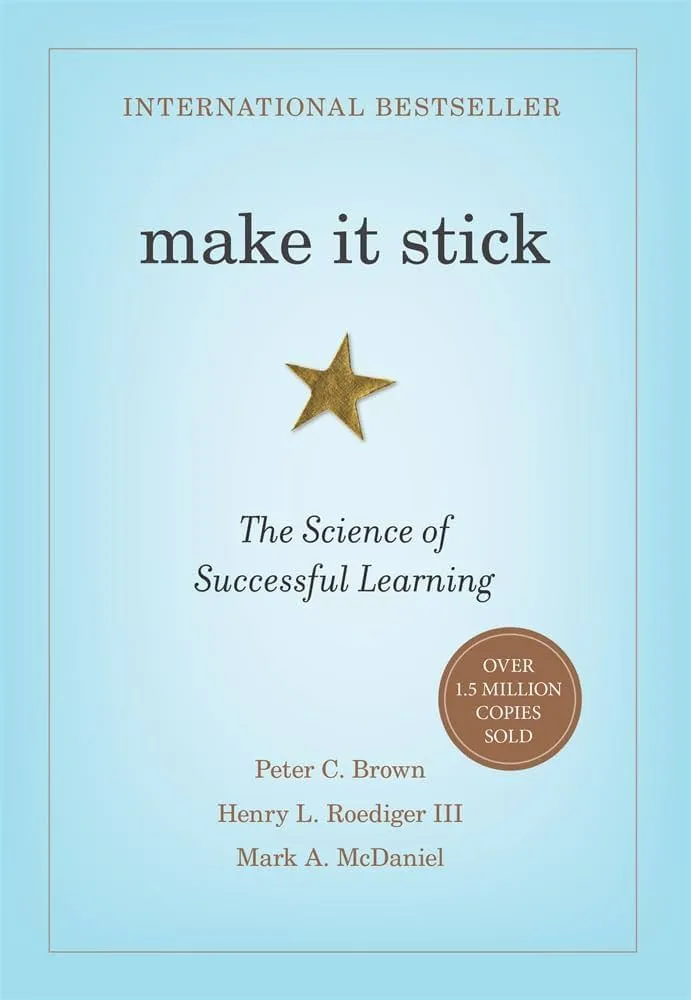
Make It Stick: The Science of Successful Learning
Peter C. Brown, Henry L. Roediger III, Mark A. McDaniel