Concurrency Anomaly Detector
Scan application code, SQL queries, or ORM code for exposure to the 6 database concurrency anomalies and produce a findings report with severity, affected locations, and fix recommendations. Use when: debugging a nondeterministic data corruption or race condition bug under concurrent load; auditing transaction code before deployment or after switching databases (isolation defaults differ across engines); a read-modify-write cycle or check-then-act pattern may be exposed to lost updates or write skew; an aggregate query (COUNT, SUM) guards an INSERT or UPDATE (phantom read exposure); or multiple tables are updated in one transaction without serializable isolation. Distinct from transaction-isolation-selector (which chooses the isolation level) — this skill scans code to find which anomalies existing code is already exposed to. Covers Python, Java, Go, JavaScript, Ruby; raw SQL; ORM code (SQLAlchemy, Hibernate, ActiveRecord, GORM); PostgreSQL, MySQL InnoDB, Oracle, SQL Server, and distributed databases. Maps code patterns (read-modify-write, SELECT/INSERT pairs, cross-table boundaries, snapshot boundary reads) to anomaly type, trigger conditions, and minimum fix (isolation upgrade vs. application-level mitigation).
 View on ClawhHub
Install
What You'll Need
Source Book
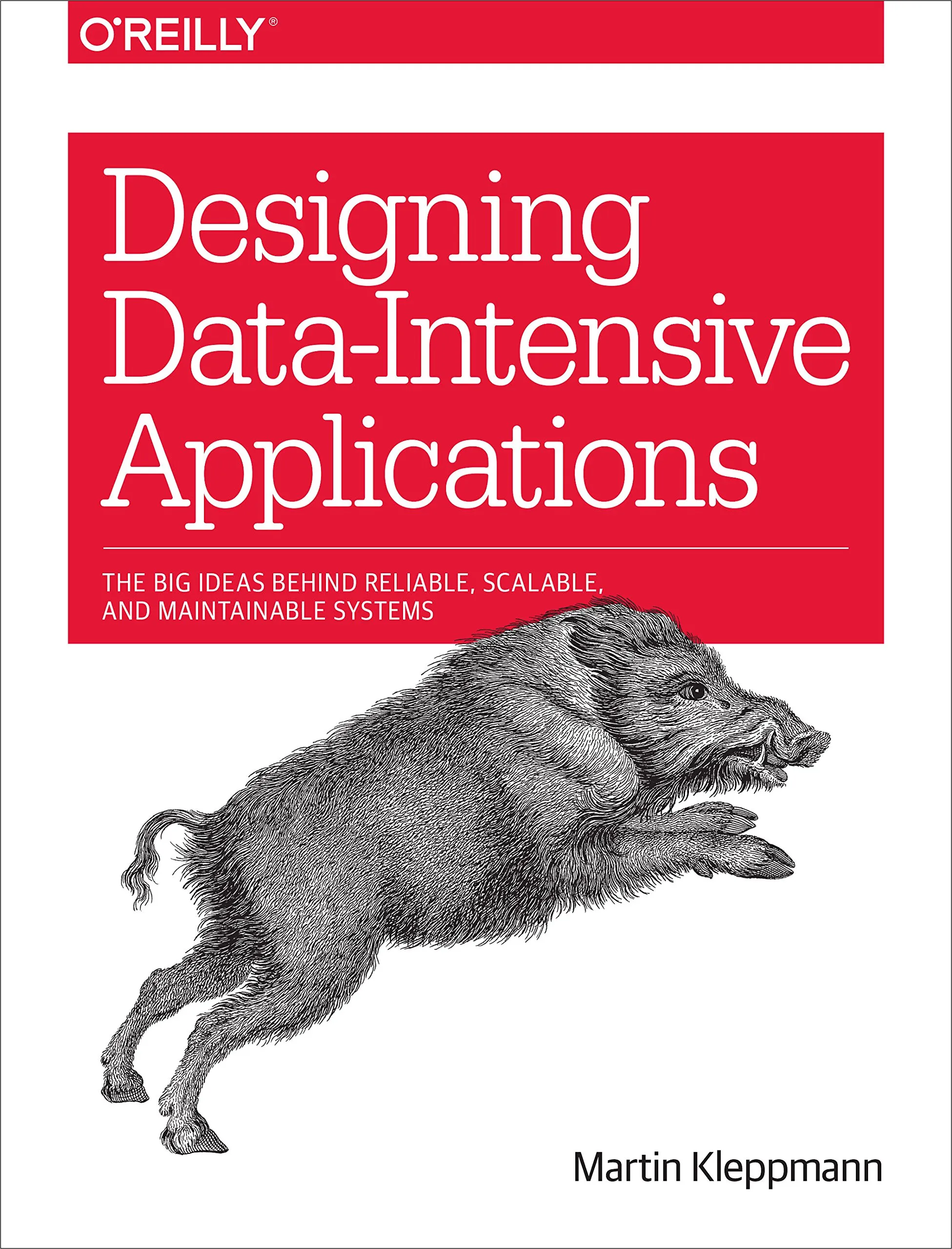
Designing Data-Intensive Applications
Martin Kleppmann